In the face of escalating environmental challenges, the pursuit of sustainable solutions that harmonize advanced technology with eco-friendly practices is more crucial than ever. Efforts to mitigate environmental degradation, combat climate change, and preserve biodiversity rely on a multifaceted approach that combines innovation with sustainable living. Here's how this powerful combination can pave the way for a more sustainable future.
1. Renewable Energy Revolution
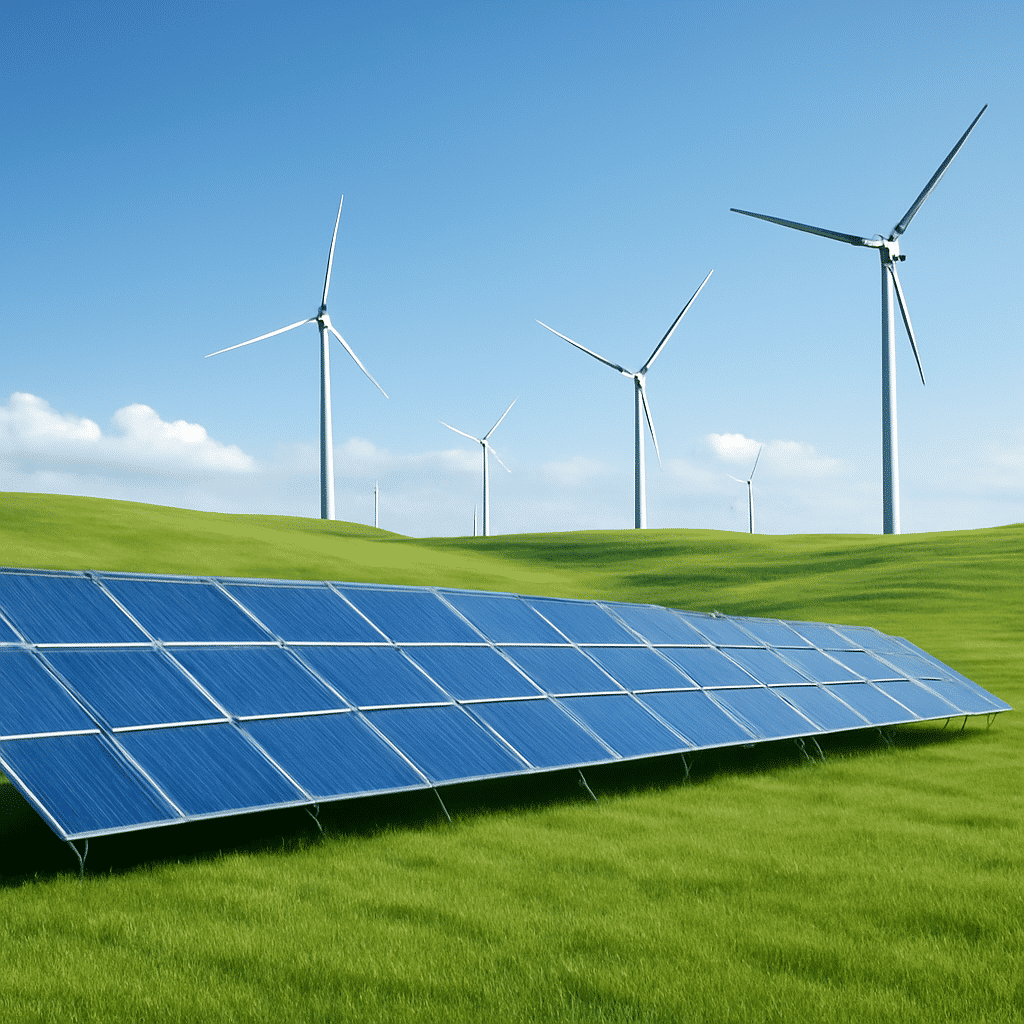
At the forefront of sustainable solutions is the transition from fossil fuels to renewable energy sources. Innovations in solar, wind, and hydroelectric power stand as testaments to how technology can radically transform our energy landscape. Solar panels, once a costly endeavor, have become increasingly affordable and efficient, bringing clean energy within reach for more people globally. Similarly, advancements in wind turbine technology now allow for greater energy capture even in low-wind conditions, making wind energy a viable option across diverse geographies.
2. Smart Technology for Energy Efficiency
The integration of smart technology in homes, businesses, and cities plays a pivotal role in increasing energy efficiency. Smart grids and meters optimize energy distribution, reduce waste, and cut costs. Meanwhile, smart home devices learn usage patterns to manage heating, cooling, and lighting, effectively minimizing energy consumption without sacrificing comfort. These innovations not only lower carbon footprints but also generate economic savings, creating a dual incentive for adoption.
3. Sustainable Agriculture Practices
The agricultural sector, a major contributor to environmental issues, is ripe for transformation through technology. Precision agriculture uses data analytics, sensors, and IoT devices to monitor soil conditions, manage water resources, and optimize planting schedules. This reduces reliance on harmful pesticides and fertilizers, improves crop yields, and conserves water. Additionally, vertical farming and hydroponics offer sustainable alternatives to traditional farming by minimizing land use and reducing transportation emissions with localized production.
4. Circular Economy and Waste Reduction
The linear "take-make-dispose" economy is unsustainable, prompting a shift towards a circular economy model. This closed-loop system seeks to design out waste and circulate products and materials at their highest value. Innovation in materials science brings us biodegradable plastics and sustainable packaging, while advanced recycling technologies reclaim valuable materials from electronic waste and other end-of-life products. Simultaneously, practices such as composting and industrial symbiosis help repurpose waste as resources, further reducing environmental impact.
5. Conserving Biodiversity with Technology
Preserving biodiversity is integral to maintaining ecological balance. Technology aids conservation efforts through remote sensing satellite imagery and drone surveillance to monitor and protect endangered species and their habitats. Genomic technologies, like CRISPR, offer potential in restoring threatened species and bolstering ecosystem resilience. Furthermore, AI-powered analytics help identify biodiversity hotspots, informing targeted conservation strategies and policy-making.
6. Sustainable Urban Development
Urban areas, accounting for a substantial share of global emissions, must evolve to be sustainable. Green architecture and urban planning incorporate energy-efficient design, renewable energy, and green spaces to create sustainable urban ecosystems. Concepts such as green roofs, living walls, and permeable pavements help mitigate urban heat islands and manage stormwater runoff. Moreover, smart city initiatives integrate technology to optimize urban living, reducing congestion, pollution, and energy usage.
Conclusion
The journey towards a sustainable future is a collaborative endeavor that requires embracing cutting-edge technology alongside eco-friendly practices. By innovating sustainable solutions across energy, agriculture, waste management, biodiversity, and urban development, we can address pressing environmental challenges effectively. As individuals, communities, and nations invest in these forward-thinking practices, we take collective strides in preserving the planet for future generations. Through innovation and sustainability, we craft a world where technological advancement goes hand in hand with ecological preservation and social equity.